
The Horn of Africa States – A New Regional Block
After a nearly two decades old antagonistic relationship between Ethiopia and Eritrea, it ended with a seemingly unexpected rapprochement between the two countries in July 2018.
16 February, 2022
After a nearly two decades old antagonistic relationship between Ethiopia and Eritrea, it ended with a seemingly unexpected rapprochement between the two countries in July 2018.

The Chinese president also stressed the “comprehensive strategic partnership” between Beijing and Cairo that has become “a model of solidarity between China and Arab, African and developing countries.”

Now, Prime Minister Dabaiba has undoubtedly emerged as a major threat to the ambitions of the leaders of the other major factions in Libya during his time in office. He is now a force that wants to stay in power, not hand power to new candidates.

Long before this summit, European Union members and business investors have been making consistent efforts at capitalizing on and exploring several emerging opportunities offered by the newly introduced African Continental Free Trade Area (AfCFTA), which provides a unique and valuable access to an integrated African market of 1.3 billion people. In practical reality, it aims at creating a continental market for goods and services, with free movement of business people and investments in Africa.

Perhaps the most controversial aspect of the AU Summit was the challenge by South Africa and Algeria to the unilateral decision made during 2021 by Commission Chair Mahamat to grant Israel observer status within the continental organization. Historically the progressive and anti-imperialist forces in Africa have demonstrated unconditional solidarity with Palestine along with other national liberation movements fighting colonialism.

Compared to other recent periods, the continent has relatively fewer conflict situations at the dawn of 2022 and a few conflicts that are quite deadly. Several states—Burkina Faso, Cameroon, Central African Republic, Democratic Republic of the Congo, Ethiopia, Libya, Mali, Mozambique, Nigeria and Somalia—are experiencing a range of violent conflicts that are leaving much civilian suffering in their wake. Many have tended to privilege military approaches to ending them. A change in strategy in Ethiopia and states in the Sahel could move them closer to peace.

A series of rebellions by the enslaved and the Civil War in the U.S. led to the demise of the system of involuntary servitude. However, the dominance of world capitalism has intensified the economic exploitation of a global proletariat.

The U.S. nor France has the willingness to provide genuine assistance to the African people in their contemporary struggles for economic development and territorial sovereignty. The mass sentiment against Paris and Washington is well-founded. What is needed is revolutionary organization which can bring together the people of the region in a program aimed at continental unity and socialist reconstruction.
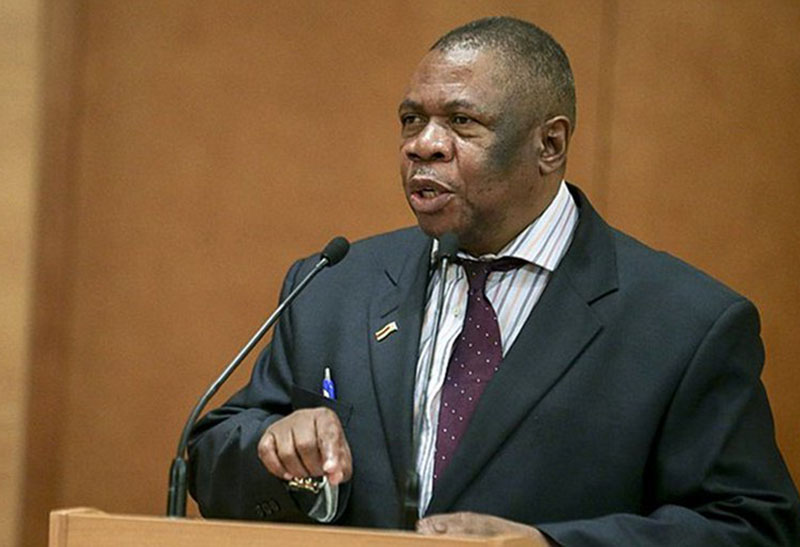
After the State Duma meeting, Kester Kenn Klomegah fixed this interview with Ambassador Nicholas Sango who willingly shared his views and thoughts on a few current pertinent issues connecting Russia and Africa. Below are the interview excerpts
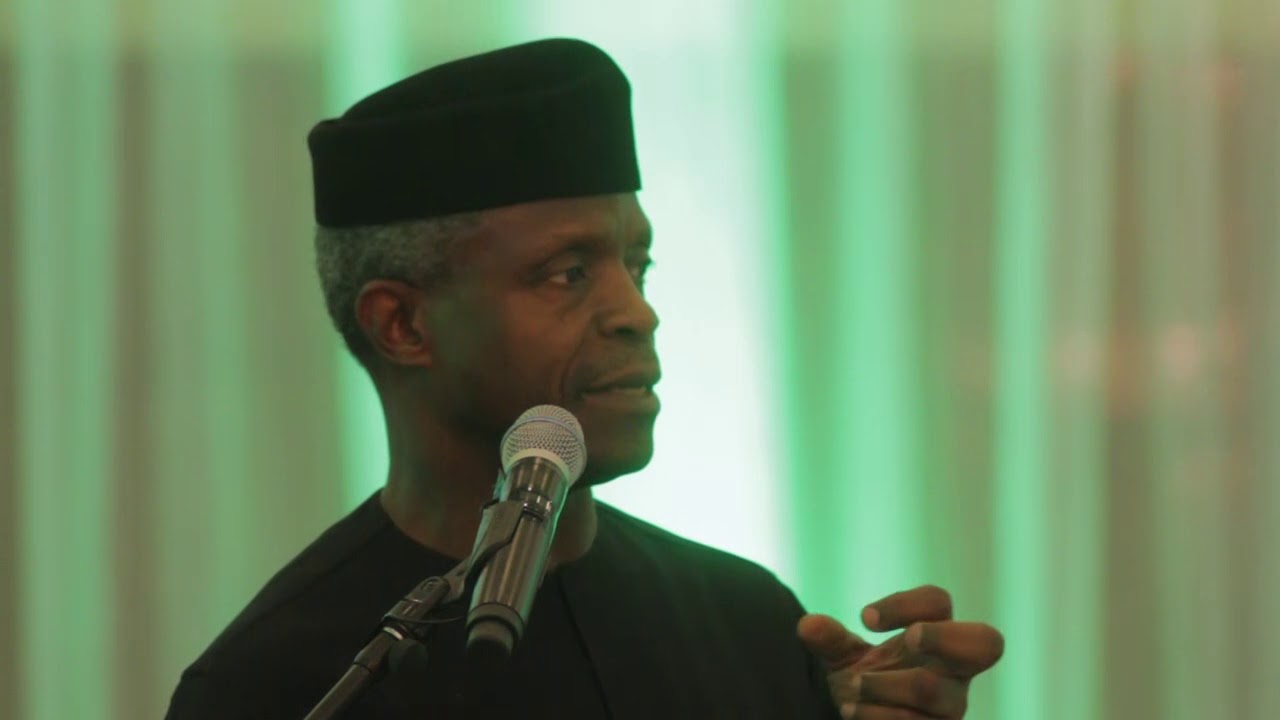
The creation of $650 billion in new Special Drawing Rights last year was a step in the right direction but more needs to be done to enable African and other developing countries to access the SDRs that are not needed or being used by developed or emerging economies. It is also clear that public debt vulnerabilities will dominate macro-economic policy management in Africa over the next few years.

Mozambique Might Require Foreign Military Assistance To Clean Up Its Hybrid War Mess
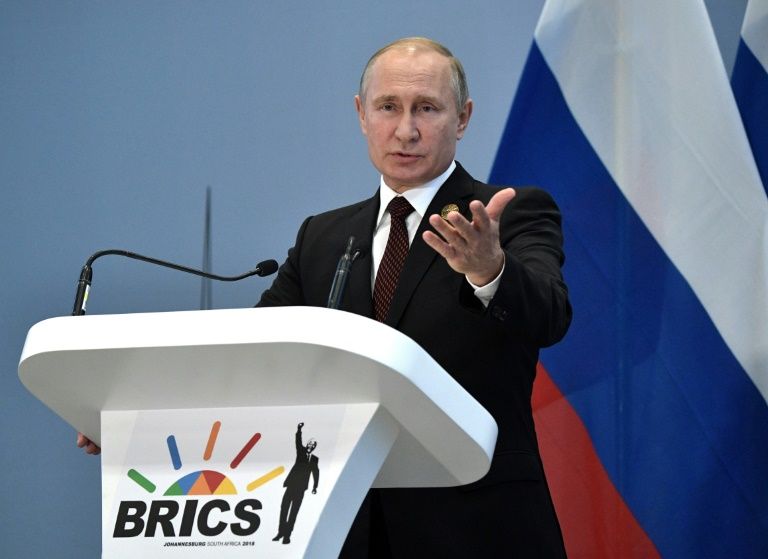
Russia-Africa Summit: The Roadmap to Africa, Shift in Geopolitical Relations

China and Russia Launch a ‘Global Resistance Economy’
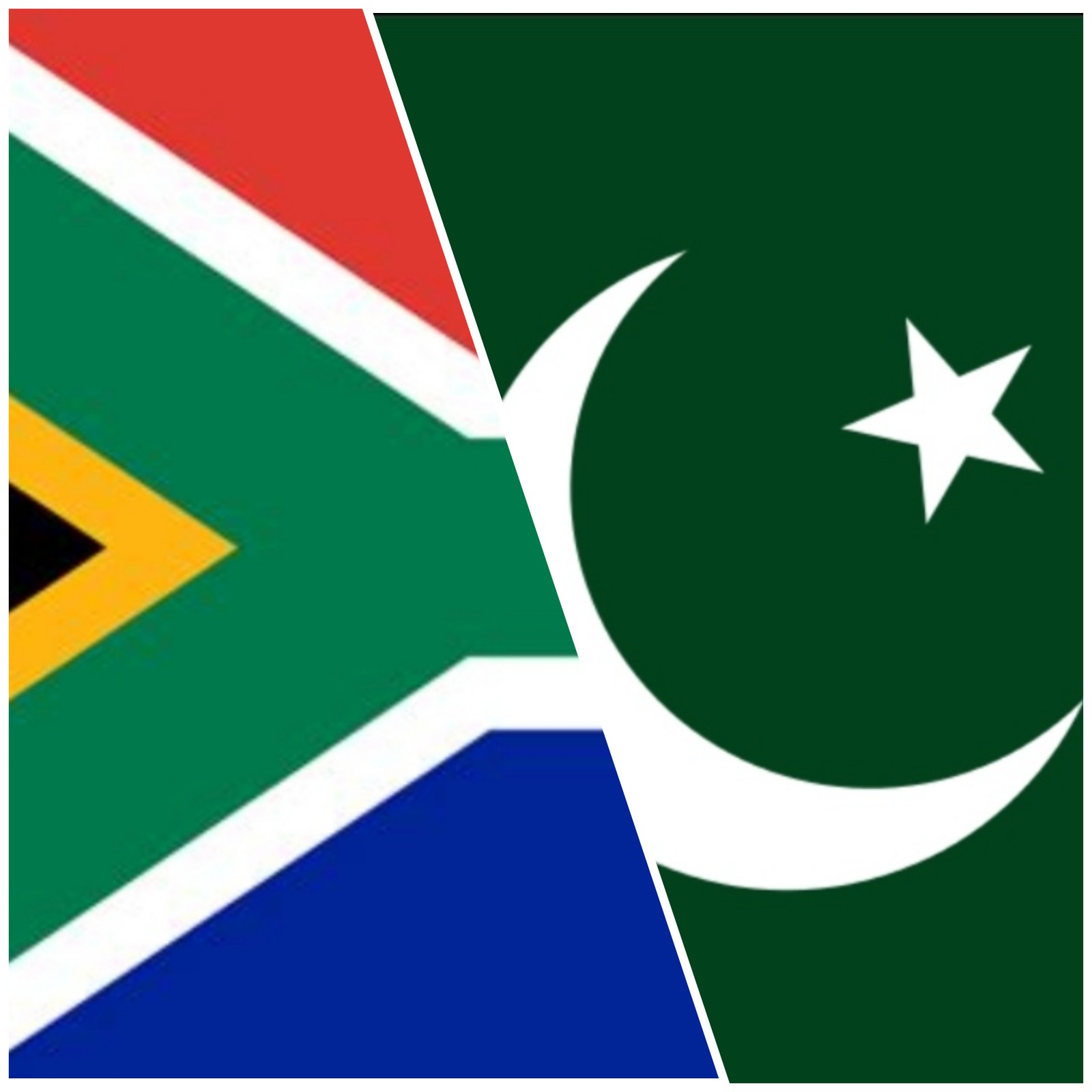
Why South Africa Should Embrace Pakistan’s “Look Africa” Policy
Please, contact our team at info@ascarf.org.za to send submissions, suggestions, or discuss possible partnerships.
Views expressed are of individual contributors, rather than the ASCARF's, unless explicitly stated otherwise. Some publications may contain information not suitable for users under 16 years of age.